

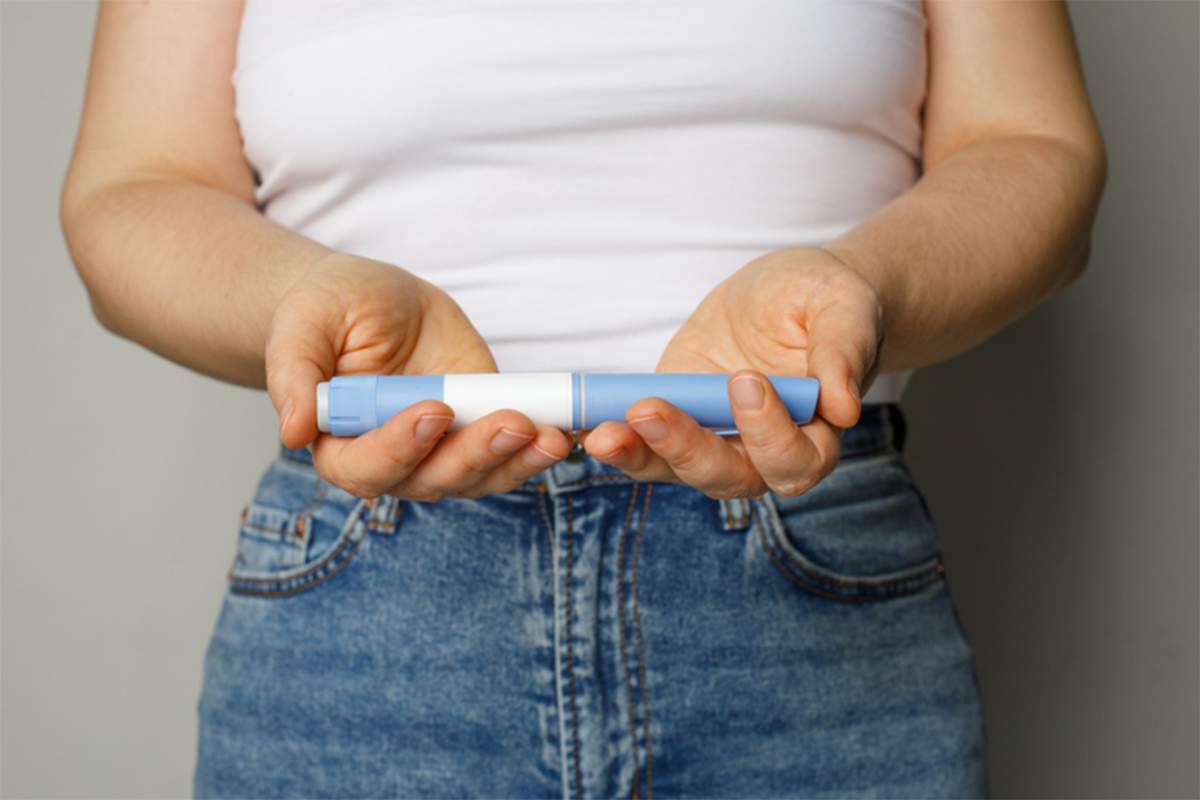
What happens when you stop taking ozempic? You will regain most of the weight you lost when you stop taking Ozempic. Your appetite comes roaring back, your metabolism slows down, and your body fights to restore the weight it lost.
How Much Weight Will You Regain After Stopping Ozempic?
You’ll regain 60-70% of your lost weight within one year of stopping Ozempic. Studies tracking people after they quit the medication show consistent weight regain across all participants.
Research published in 2022 followed 327 people who stopped taking semaglutide (the drug in Ozempic). After 52 weeks off the medication, participants regained two-thirds of the weight they had lost. A person who lost 15kg on Ozempic typically gains back 10kg within the first year.
The weight comes back fast in the first 3-6 months after stopping. Your body increases hunger hormones and decreases fullness hormones, pushing you to eat more. Most people report feeling hungrier than they did before starting Ozempic.
Why Does the Weight Come Back?
Your body treats weight loss as a threat to survival. When you lose weight, your body activates multiple systems to regain that weight and protect you from what it perceives as starvation.
Here’s what happens inside your body:
- Ghrelin increases – This hunger hormone spikes 20-30% above baseline levels, making you feel starving all the time
- Leptin decreases – This fullness hormone drops, so you never feel satisfied after eating
- Metabolism slows – Your body burns 10-15% fewer calories per day than before you lost weight
- Appetite control vanishes – The GLP-1 hormone that Ozempic replaced returns to low levels
- Food cravings intensify – Your brain increases reward signals for high-calorie foods
Ozempic works by mimicking GLP-1, a hormone that controls appetite and blood sugar. Your body produces very little natural GLP-1, which is why you gained weight in the first place. When you stop taking Ozempic, your natural GLP-1 levels stay low and all your old appetite problems return.
What Happens to Your Appetite After Stopping?
Your appetite explodes within 2-4 weeks of your last Ozempic dose. The medication leaves your system completely after about 5 weeks, and your hunger returns with force.
People describe the appetite rebound as overwhelming. Foods you ignored while on Ozempic suddenly become irresistible. Portion sizes that felt huge on Ozempic now seem normal or even small. The constant feeling of fullness disappears and gets replaced by persistent hunger.
Studies show people eat 300-500 more calories per day after stopping Ozempic compared to what they ate while on the medication. This calorie increase happens automatically because your hunger hormones drive you to eat more.
Do You Experience Withdrawal Symptoms?
You don’t experience traditional withdrawal symptoms like you would from addictive drugs, but you do face uncomfortable changes as the medication leaves your system.
Common symptoms after stopping Ozempic:
- Intense hunger and food cravings
- Faster digestion (food moves through your stomach quickly again)
- Blood sugar spikes if you have diabetes
- Increased appetite for sugary and fatty foods
- Loss of the “food noise” reduction (constant thoughts about food return)
- Mood changes related to hunger and food restriction
These symptoms start 1-2 weeks after your last dose and peak around weeks 3-5. The digestive changes happen first, followed by the appetite surge.
What Happens to Your Blood Sugar?
Your blood sugar rises back to pre-Ozempic levels within 4-8 weeks of stopping the medication. This creates serious problems for people with type 2 diabetes who used Ozempic to control their blood sugar.
Ozempic lowers blood sugar through three mechanisms:
- Increases insulin production when you eat
- Decreases glucagon (a hormone that raises blood sugar)
- Slows stomach emptying so sugar enters your bloodstream slower
When you stop Ozempic, all three mechanisms disappear. Your pancreas produces less insulin, your liver releases more sugar, and your stomach empties faster. People with diabetes see their HbA1c (average blood sugar over 3 months) climb back up within 2-3 months.
Can You Keep the Weight Off After Stopping?
You can keep some weight off, but it requires extreme discipline with diet and exercise. Only 10-20% of people maintain their full weight loss one year after stopping Ozempic.
What successful maintainers do:
- Track every calorie they eat using apps like MyFitnessPal
- Exercise 60-90 minutes daily, 6 days per week
- Eat high-protein meals (30-40% of calories from protein)
- Weigh themselves daily and adjust immediately if weight creeps up
- Avoid processed foods, sugar, and alcohol completely
- Get 7-9 hours of sleep every night
- Manage stress through meditation or therapy
- Join support groups for accountability
This level of commitment exhausts most people. Your body fights against you every day, making weight maintenance feel like a full-time job.
Should You Taper Off Ozempic Slowly?
Tapering off Ozempic slowly doesn’t prevent weight regain. Studies show people who reduce their dose gradually regain just as much weight as people who stop cold turkey.
Some doctors recommend tapering to reduce the shock of appetite returning, but this only delays the inevitable. Whether you taper over 4 weeks or stop immediately, your appetite will surge and the weight will come back.
The only benefit of tapering is psychological – it gives you time to prepare mentally for the appetite changes and build stronger habits before the full force of hunger returns.
What’s the Cost of Staying on Ozempic Long-Term?
Staying on Ozempic forever costs $1,560-$1,608 per year in Australia if you pay full price for weight loss use. Over 10 years, you’ll spend $15,600-$16,080 AUD.
Long-term costs in different countries:
Australia:
- Annual cost: $1,560-$1,608 AUD
- 10-year cost: $15,600-$16,080 AUD
United States:
- Annual cost: $11,232-$16,860 USD ($17,400-$26,160 AUD)
- 10-year cost: $112,320-$168,600 USD ($174,000-$261,600 AUD)
United Kingdom:
- Annual cost: Approximately $1,680 USD ($2,604 AUD)
- 10-year cost: $16,800 USD ($26,040 AUD)
These costs assume prices stay the same, which rarely happens. Medication prices typically increase 3-5% per year, so your actual 10-year cost will be higher.
Insurance rarely covers Ozempic for weight loss, so you pay these costs out of pocket. Only people with type 2 diabetes get subsidized prices through government health programs.
What Are the Risks of Long-Term Ozempic Use?
Long-term Ozempic use carries risks that increase the longer you take it.
Known long-term risks:
- Gallbladder disease – Risk increases 20-30% with extended use, rapid weight loss causes gallstones
- Pancreatitis – Inflammation of the pancreas occurs in 1-2% of long-term users
- Gastroparesis – Stomach paralysis where food doesn’t move properly, can become permanent
- Muscle loss – You lose muscle along with fat, 20-40% of weight lost comes from muscle
- Nutritional deficiencies – Reduced appetite leads to inadequate vitamin and mineral intake
- Thyroid concerns – Animal studies show thyroid tumors, human risk remains unclear
The medication has only been widely used since 2017, so we don’t have data on what happens after 10-20 years of continuous use. You become a test subject for long-term effects.
Can You Go Back on Ozempic After Stopping?
Yes, you can restart Ozempic after stopping, and it will work again. Your body doesn’t build tolerance to semaglutide, so the medication remains effective even if you’ve used it before.
You need to restart at the lowest dose (0.25mg) and increase gradually, just like when you first started. Jumping back to your previous high dose causes severe nausea and vomiting.
The weight will come off again when you restart, but this creates a yo-yo pattern that damages your metabolism further. Each weight loss and regain cycle makes future weight loss harder because you lose muscle mass that doesn’t fully return.
What Alternatives Exist to Staying on Ozempic Forever?
You have three realistic options when you want to stop Ozempic:
1. Switch to maintenance medications
Drugs like metformin, naltrexone-bupropion, or orlistat cost less and help maintain weight loss. They’re not as powerful as Ozempic but provide some appetite control. These medications cost $30-$100 per month.
2. Commit to extreme lifestyle changes
Track calories religiously, exercise 60-90 minutes daily, and accept that weight maintenance will dominate your life. This works for 10-20% of people who have exceptional discipline.
3. Accept partial weight regain
Let yourself regain 30-40% of the lost weight and stabilize there. This feels like failure but keeps you healthier than your starting weight. Focus on maintaining healthy habits rather than a specific number on the scale.
None of these options feel satisfying, but they represent the reality of stopping Ozempic.
Frequently Asked Questions
How long does Ozempic stay in your system after stopping?
Ozempic stays in your system for 5 weeks after your last injection. The medication has a half-life of 7 days, meaning half of it leaves your body every week. After 5 weeks (5 half-lives), less than 3% remains.
Will I gain back more weight than I lost?
Most people don’t gain back more than they lost, but 20-30% of people do end up heavier than their starting weight. This happens when the appetite rebound causes binge eating or when people develop worse eating habits during the regain phase.
Can I prevent weight regain with exercise alone?
No. Exercise helps but can’t overcome the hormonal changes that drive weight regain. You need to combine intense exercise with strict calorie control to have any chance of maintaining your weight loss.
What if I only stop Ozempic temporarily?
Even a 4-8 week break causes significant weight regain. Your body doesn’t distinguish between temporary and permanent stops – the hunger hormones surge either way.
Do some people keep the weight off successfully?
Yes, but they’re rare. Studies show 10-20% of people maintain their full weight loss one year after stopping. These people typically had less weight to lose initially (under 15kg) and made dramatic permanent lifestyle changes.
The Bottom Line
Stopping Ozempic triggers rapid weight regain in most people. You’ll regain 60-70% of your lost weight within one year as your appetite surges and your metabolism slows. Your body fights to restore the weight through increased hunger hormones and decreased fullness signals.
The medication works brilliantly while you take it, but it doesn’t cure the underlying causes of weight gain. Your natural GLP-1 levels stay low after stopping, and all your old appetite problems return. Staying on Ozempic long-term costs $1,560-$1,608 per year in Australia and carries unknown risks since we lack data on 10-20 year use.
You face a difficult choice – stay on expensive medication forever, commit to extreme lifestyle changes that few people can maintain, or accept that you’ll regain most of the weight. There’s no easy answer, but understanding what happens when you stop helps you make an informed decision.
If you’re researching GLP-1 medications, you may also want to read what causes “Ozempic face” and how to reduce the risk in our guide on how to avoid Ozempic face. For help turning weight-loss changes into sustainable results, consider working with a personal trainer in Melbourne.

