

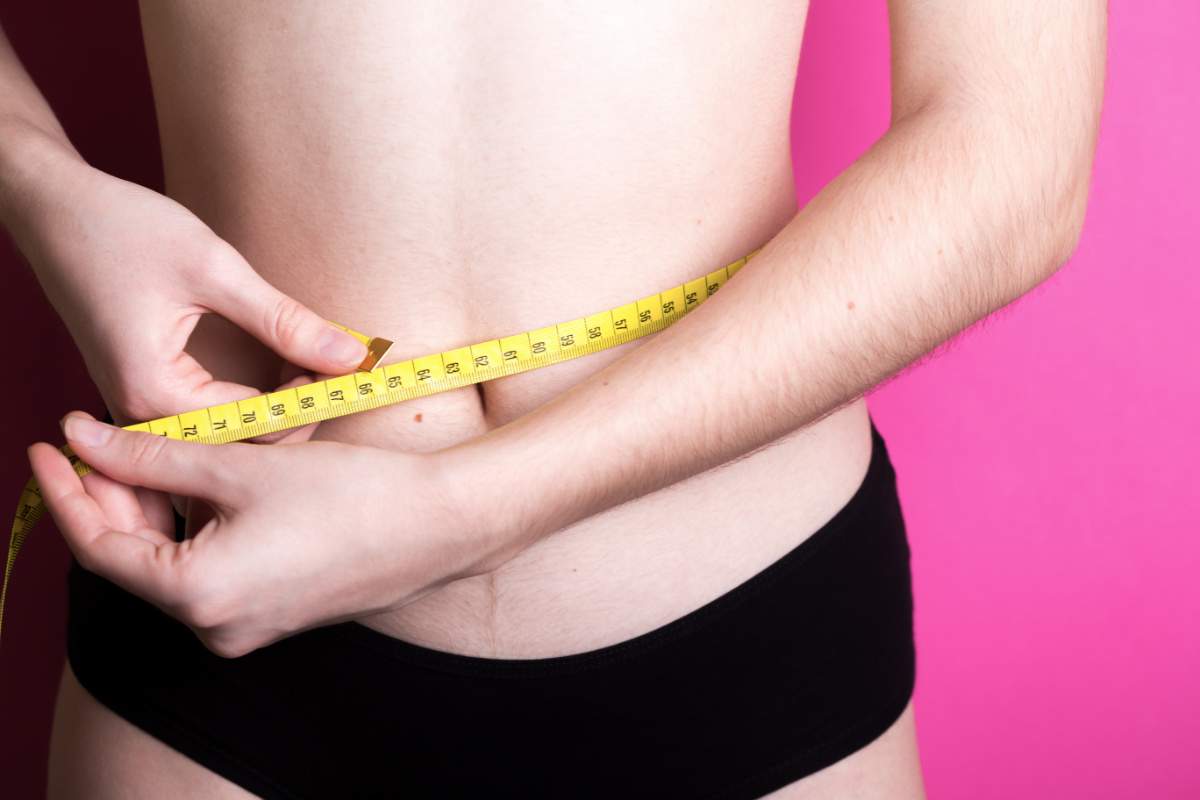
Your clothes fit looser, measurements shrink, energy levels improve, and you maintain strength during workouts. These changes show genuine fat loss rather than just water weight or muscle loss.
When your body shifts into fat burning mode properly, it pulls stored energy from adipose tissue while maintaining muscle tissue. This creates measurable changes in body composition that go beyond what bathroom scales reveal.
Clothes Fitting Looser Around Your Waist and Thighs
Your jeans button easier and shirts feel roomier through the midsection without changing sizes.
Body fat takes up more space than muscle tissue. When you lose fat, especially around your abdomen and hips, garments that were snug become comfortable again even before significant scale changes occur. Research tracking body composition shows people can lose substantial fat mass while the scale barely moves, particularly when combining proper nutrition with resistance training. The waist circumference typically decreases faster than total body weight because visceral fat around organs responds quickly to calorie restriction and increased activity.
Action steps.
Track how your regular clothing fits weekly. Note when belts need tightening or previously tight clothes feel comfortable. Take measurements around your waist, hips, and thighs every two weeks for objective data.
9 Steps To Shed 5-10kg In 6 Weeks
Includes an exercise plan, nutrition plan, and 20+ tips and tricks.
Download FreeMeasurements Decreasing While Strength Stays Stable or Improves
You lift the same weights or more despite losing inches around your midsection.
When losing genuine fat rather than muscle, your physical performance remains consistent or gets better. Studies on weight loss show that diet-induced fat reduction without adequate protein or resistance exercise causes muscle loss alongside fat loss, leading to decreased strength. However, proper fat loss preserves lean tissue. You maintain or increase your lifting capacity, endurance during cardio, and overall exercise performance because your muscle mass stays intact. The energy deficit comes from fat stores, not from breaking down functional tissue.
Action steps.
Log your workout performance including weights lifted, reps completed, and cardio duration. If numbers drop significantly, increase protein intake and adjust training intensity.
Energy Levels Improving Throughout the Day
You feel more alert, less sluggish, and don’t experience the afternoon crash as intensely.
Excess body fat, particularly visceral fat around organs, triggers inflammatory responses and metabolic dysfunction that affect brain function and energy regulation. When this fat decreases, systemic inflammation drops and metabolic efficiency improves. Research demonstrates that obesity impairs mitochondrial function in brain cells and disrupts neurotransmitter balance. As fat loss occurs, these pathways normalize, leading to improved mental clarity, better mood stability, and sustained energy levels without the dramatic peaks and valleys caused by metabolic dysfunction.
Action steps.
Rate your energy levels at set times daily using a simple scale. Compare weekly patterns to identify improvements as fat loss progresses.
Body Measurements Changing Faster Than Scale Weight
Your waist shrinks two inches but the scale only drops three pounds.
Fat tissue is less dense than muscle and water. When you lose primarily fat while maintaining muscle mass, body composition shifts dramatically without proportional weight changes. Studies using dual-energy X-ray absorptiometry show people losing 5 to 7 kilograms of pure fat mass while only dropping 3 to 4 kilograms total body weight because they simultaneously gained lean tissue or normalized hydration. The scale measures total mass without distinguishing between fat, muscle, water, and bone. Measurements reveal actual changes in adipose tissue volume.
Action steps.
Measure your waist at belly button level, hips at widest point, and thighs mid-way between knee and hip. Record weekly and compare changes to scale weight for true progress tracking.
Visual Changes in Face and Neck Definition
Your jawline appears sharper and face looks less puffy.
Facial fat deposits decrease during sustained fat loss, revealing underlying bone structure more clearly. Research tracking facial changes after significant weight reduction shows the mid-cheek region and neck area lose volume as subcutaneous fat layers thin. This creates more defined features and reduces the rounded appearance associated with higher body fat levels. Changes often appear in the face before becoming obvious in other areas because facial fat responds quickly to calorie restriction.
Action steps.
Take front-facing photos in consistent lighting weekly. Compare month-to-month rather than week-to-week for noticeable facial changes.
Sleep Quality and Recovery Improving
You fall asleep easier and wake feeling more refreshed.
Excess adipose tissue, especially around the neck and abdomen, interferes with breathing patterns during sleep and triggers inflammatory responses that disrupt sleep architecture. Studies show weight loss reduces obstructive breathing episodes and improves sleep efficiency. Better sleep then supports continued fat loss by normalizing hunger hormones like ghrelin and leptin, improving insulin sensitivity, and allowing proper recovery from exercise. This creates a positive cycle where fat loss improves sleep, which supports further fat reduction.
Action steps.
Track sleep duration and quality using simple notes about how rested you feel. Notice improvements as fat loss continues over weeks.
Frequently Asked Questions
How long does it take to start burning fat? Your body starts using fat for energy within 12 to 48 hours of creating a calorie deficit, but noticeable changes in measurements and appearance typically take 2 to 4 weeks of consistent effort.
Can I lose fat without losing weight? Yes, body recomposition occurs when you lose fat while gaining muscle simultaneously. Your scale weight stays stable but measurements decrease and body composition improves.
What’s the difference between losing fat and losing water weight? Water weight drops quickly in the first few days of dietary changes and returns easily. Fat loss happens gradually, shows up in measurements and clothing fit, and doesn’t bounce back overnight.
How much fat can I realistically lose per week? Research shows sustainable fat loss ranges from 0.5 to 1 percent of body weight weekly. Faster rates often include muscle loss and water fluctuations rather than pure fat reduction.
Why am I getting stronger but not losing weight? You’re likely losing fat while building muscle tissue. Muscle is denser than fat, so body composition improves dramatically without significant scale movement. Measurements tell the real story.
Do I need to track body fat percentage? Not necessarily. Measurements, progress photos, clothing fit, and performance markers provide reliable indicators without expensive testing equipment. Most consumer body fat scales lack accuracy.
What if my weight loss plateaus but measurements keep changing? This indicates continued fat loss alongside muscle gain or hydration changes. The plateau on the scale doesn’t reflect the actual improvements in body composition occurring.
Does increased urination mean I’m burning fat? Increased urination typically reflects water loss, not fat loss. When fat breaks down, you exhale most of it as carbon dioxide through breathing rather than eliminating it through urine.
Should I worry about losing muscle during fat loss? Monitor your strength levels and protein intake. If exercise performance drops significantly while losing weight, increase protein to 1.6 to 2.2 grams per kilogram body weight and include resistance training.
How accurate are body fat scales? Consumer bioelectrical impedance scales show significant variability and can be off by 3 to 8 percentage points. Use them for tracking trends only, not absolute accuracy.
Next Steps
Focus on weekly measurements around your waist, hips, and thighs rather than daily scale readings. Take monthly progress photos in consistent lighting and clothing. Track your workout performance to ensure strength stays stable or improves. These combined indicators reveal genuine fat loss more reliably than any single measurement method.
Understanding your body’s fat-burning signals is valuable whether you’re curious about medical weight loss options like Ozempic or wondering if daily crunches will give you visible abs. For personalised guidance on optimising fat loss, connect with a personal trainer in Docklands.

