

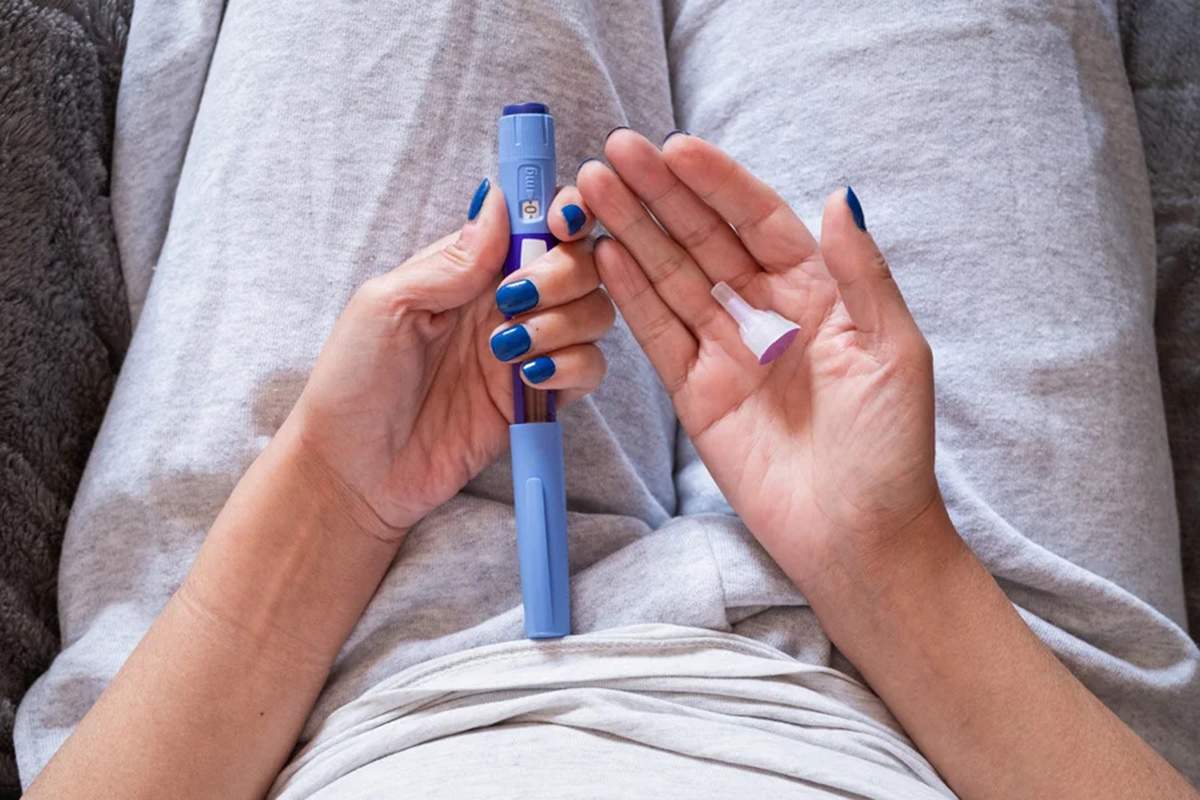
Will I Regain Weight After Stopping Ozempic? Yes, most people regain weight after stopping Ozempic. Studies show that people gain back two-thirds of the weight they lost within one year of stopping the medication. Your body fights to return to its previous weight, and Ozempic no longer blocks those signals once you stop taking it.
Why Weight Comes Back After Stopping Ozempic
Ozempic (semaglutide) works by copying a hormone called GLP-1 that your body makes naturally. This hormone tells your brain you feel full and slows down how fast food leaves your stomach. When you take Ozempic, you eat less because you don’t feel hungry.
Your body has a weight set point, which is the weight your body tries to maintain. When you lose weight, your body thinks something is wrong and fights to gain it back. Your metabolism slows down, your hunger hormones increase, and you feel tired. Ozempic blocks these signals while you take it, but they come roaring back when you stop.
Research from 2022 tracked people who stopped taking semaglutide after losing weight. Within 52 weeks, they regained 11.6% of their body weight. People who lost 15% of their weight on the medication gained back about 10% within a year.
What Happens to Your Body When You Stop
Your appetite returns to normal levels within days of your last dose. The medication leaves your system in about five weeks because of its long half-life. During this time, you notice these changes:
- Hunger increases – Your stomach empties faster and your brain stops getting the “I’m full” signal that Ozempic provided.
- Cravings come back – Foods you ignored while on Ozempic suddenly look appealing again.
- Energy drops – Your body slows your metabolism to conserve energy and regain lost weight.
- Portions grow – You can eat more food in one sitting because your stomach empties at its normal speed.
These changes happen to everyone who stops Ozempic. Your body is not broken, it’s doing exactly what evolution programmed it to do.
How Much Weight Will You Regain?
Most people regain 60-70% of their lost weight within the first year. If you lost 15 kilograms on Ozempic, expect to gain back 9-10.5 kilograms after stopping. Some people regain all the weight, while others keep some off through diet and exercise changes.
The amount you regain depends on several factors. People who make permanent lifestyle changes keep more weight off. Those who return to old eating habits regain weight faster. Your age, genetics, and starting weight also play a role.
Can You Keep the Weight Off Without Ozempic?
Yes, but it requires permanent changes to how you eat and move. You cannot go back to your old habits and expect to maintain your new weight. Your body will always try to return to its previous set point unless you actively work against it.
Studies on weight loss show that only 20% of people who lose significant weight keep it off for more than one year. This low success rate happens because most people treat weight loss as temporary. They diet for a while, lose weight, then return to normal eating.
Strategies That Work After Stopping Ozempic
1. Track your food intake
People who log their meals lose more weight and keep it off longer. Tracking shows you exactly how many calories you eat, which stops portion sizes from creeping up. Use an app or notebook to record everything you eat for at least six months after stopping Ozempic.
2. Eat more protein
Protein keeps you full longer and helps maintain muscle mass during weight loss. Aim for 1.6-2.2 grams of protein per kilogram of body weight daily. A 70-kilogram person needs 112-154 grams of protein each day. High-protein foods include chicken, fish, eggs, Greek yogurt, and legumes.
Research shows that people who doubled their protein intake lost over 4.5 kilograms in 12 weeks without counting calories. Protein also burns more calories during digestion than carbs or fat.
3. Do strength training
Building muscle speeds up your metabolism and helps you burn more calories at rest. Lift weights or do bodyweight exercises 2-3 times per week. Focus on compound movements like squats, pushups, and rows that work multiple muscle groups.
4. Walk daily
Walking 8,000-10,000 steps per day helps maintain weight loss without intense exercise. Walking burns calories, reduces stress, and improves insulin sensitivity. It’s low-impact and easy to fit into your daily routine.
5. Manage your environment
Keep tempting foods out of your house. If cookies aren’t in your pantry, you can’t eat them during weak moments. Stock your kitchen with vegetables, fruits, lean proteins, and whole grains.
6. Get enough sleep
Poor sleep increases hunger hormones and makes you crave high-calorie foods. People who sleep less than seven hours per night gain more weight than those who sleep 7-9 hours. Lack of sleep also slows your metabolism and reduces willpower.
Should You Stay on Ozempic Forever?
Many doctors now recommend staying on Ozempic long-term if it helps you maintain a healthy weight. Obesity is a chronic condition, and treating it may require ongoing medication just like diabetes or high blood pressure need ongoing treatment.
Ozempic costs $300-400 per month in Australia without insurance coverage. Some private health insurance plans cover part of the cost if you have type 2 diabetes. The high price makes long-term use difficult for many people.
Staying on a lower maintenance dose after reaching your goal weight helps prevent regain. Some people take Ozempic weekly, while others switch to every two weeks. Talk to your doctor about the right approach for you.
What About Side Effects Long-Term?
Common side effects include nausea, diarrhea, constipation, and stomach pain. These usually improve after the first few months. Serious side effects are rare but include pancreatitis, gallbladder problems, and thyroid tumors in animal studies.
Long-term safety data for Ozempic is still limited because the medication only received approval for weight loss in 2021. Most studies followed people for 1-2 years, not decades. We don’t know what happens after 10 or 20 years of continuous use.
The Reality of Weight Maintenance
Keeping weight off after any weight loss method is hard. Your body doesn’t care how you lost the weight, it just wants to gain it back. This biological drive to regain weight is not a personal failure or lack of willpower.
People who successfully maintain weight loss share common habits. They weigh themselves regularly, stay physically active, eat breakfast, watch less TV, and don’t let small gains turn into big ones. They treat weight maintenance as a permanent lifestyle, not a temporary phase.
FAQ
Q: How long does Ozempic stay in your system after stopping?
Ozempic stays in your body for about five weeks after your last injection. The medication has a half-life of seven days, which means it takes that long for half the dose to leave your system.
Q: Will I gain weight immediately after stopping?
No. Weight regain happens gradually over weeks and months, not overnight. Most people notice increased hunger within days, but the scale doesn’t jump up right away.
Q: Can I take Ozempic again if I regain weight?
Yes. You can restart Ozempic if you regain weight after stopping. Your doctor will likely start you on a lower dose and increase it gradually, just like the first time.
Q: Does exercise prevent weight regain after Ozempic?
Exercise helps but doesn’t prevent all weight regain. Studies show that people who exercise regularly keep off more weight than those who don’t, but most still regain some weight after stopping the medication.
Q: What if I can’t afford to stay on Ozempic?
Focus on the lifestyle changes that work without medication. Track your food, eat high-protein meals, walk daily, and lift weights twice a week. These habits cost nothing and provide real results.
Q: Are there cheaper alternatives to Ozempic?
Generic semaglutide costs less than brand-name Ozempic but still runs $200-300 per month. Older diabetes medications like metformin cost $10-30 per month but don’t work as well for weight loss.
The Bottom Line
You will likely regain weight after stopping Ozempic because your body fights to return to its previous set point. Most people gain back two-thirds of their lost weight within one year. Staying on the medication long-term prevents regain, but the high cost makes this impossible for many people. If you stop taking Ozempic, commit to permanent lifestyle changes including food tracking, high protein intake, daily walking, and strength training. These habits give you the best chance of maintaining your weight loss without medication.
Maintaining weight loss long-term connects closely to exercise habits—many people wonder whether targeted exercises like daily crunches can help maintain results. Understanding which cardio burns the most fat is equally important for sustainable fitness. Working with a personal trainer in Docklands can help you build habits that last beyond any medication.

