

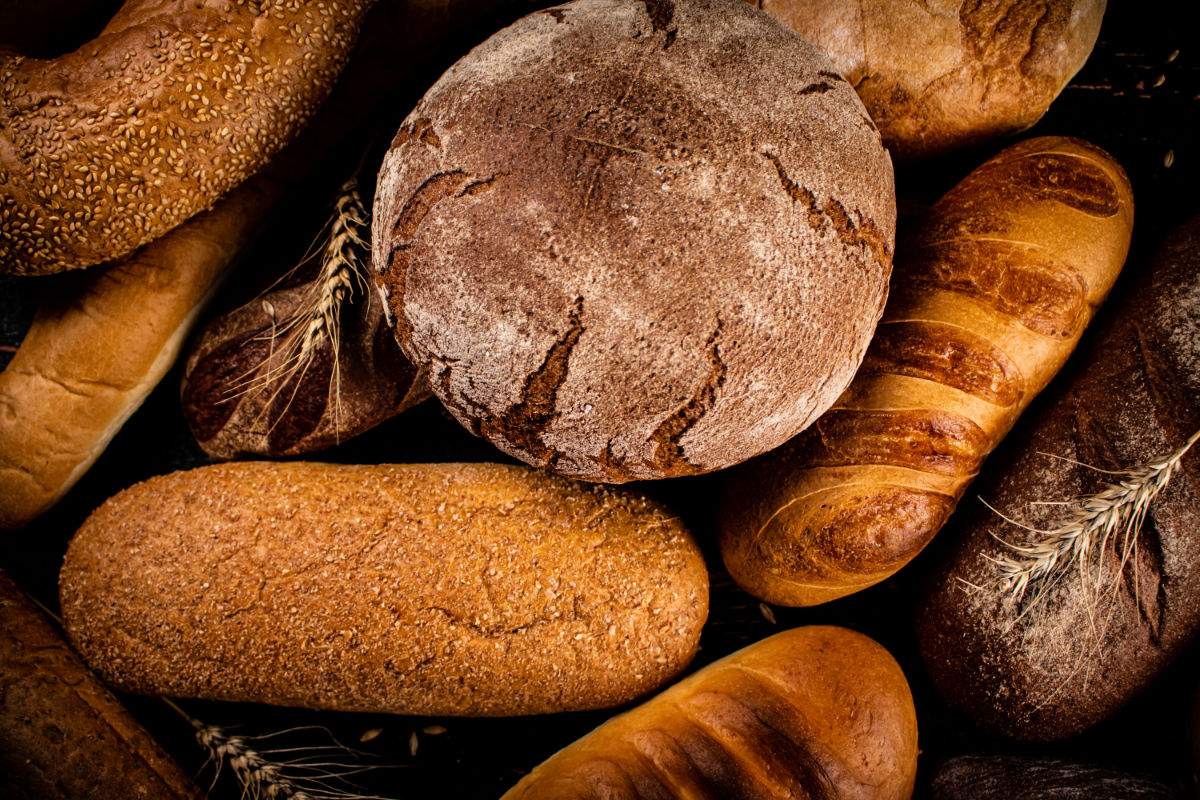
Bread sits on most Australian dinner tables. Toast for brekkie, sandwiches for lunch, garlic bread with pasta. But what actually happens to your body when you cut it out completely for two weeks?
The changes start faster than you think. Your body begins shifting how it gets energy within the first 48 hours. By day 14, you’ll notice real differences in how you feel, how your clothes fit, and how your energy levels work throughout the day.
Will You Lose Weight in the First Two Weeks?
Yes, most people lose between 2 to 4 kilograms when they stop eating bread for 14 days.
Here’s why the weight drops so quickly. Bread is packed with carbohydrates. When you eat carbs, your body stores them as glycogen in your muscles and liver. Every gram of glycogen holds onto about 3 grams of water. Cut the bread, and your body burns through those glycogen stores in 2 to 3 days. The water goes with it.
Research shows that people eating fewer than 50 grams of carbs per day can lose 1 to 2 kilograms in the first week just from water weight. After that, actual fat loss kicks in if you’re eating fewer calories overall.
A typical slice of white bread contains about 80 calories and 15 grams of carbs. If you normally eat 4 slices per day (toast, sandwich, dinner roll), that’s 320 calories you’re cutting out. Over 14 days, that’s 4,480 calories, which equals roughly 0.6 kilograms of fat loss.
Does Your Energy Change When You Stop Eating Bread?
Your energy will dip for the first 3 to 5 days, then improve significantly.
During the first few days, you might feel tired, foggy, or irritable. This happens because your brain normally runs on glucose from carbs. When you cut bread and other carbs, your body needs time to switch to burning fat for fuel instead.
Scientists call this transition period “keto flu” even though you don’t need to be on a full keto diet to experience it. Studies on low-carb diets show that 25% of people report fatigue, headaches, and difficulty concentrating during the first week.
But here’s what happens next. By day 7 to 10, most people report stable energy throughout the day. No more 3pm crash. No more needing a snack every two hours. Your blood sugar stops spiking and dropping, which means your energy stays consistent.
Research published in the journal Nutrition & Metabolism found that people on reduced-carb diets reported better mental clarity and sustained energy after the initial adjustment period.
9 Steps To Shed 5-10kg In 6 Weeks
Includes an exercise plan, nutrition plan, and 20+ tips and tricks.
Download FreeWhat Happens to Your Blood Sugar Levels?
Blood sugar levels stabilize and insulin sensitivity improves within 14 days.
Bread, especially white bread, has a high glycemic index. This means it causes your blood sugar to spike quickly after eating. Your pancreas responds by releasing insulin to bring that sugar back down. Eat bread multiple times per day, and you’re on a blood sugar roller coaster.
When you stop eating bread for 14 days, those spikes disappear. A study in the American Journal of Clinical Nutrition showed that reducing refined carbohydrates led to a 12% improvement in insulin sensitivity in just two weeks.
Better insulin sensitivity means your body handles sugar more efficiently. This reduces your risk of developing type 2 diabetes and makes it easier to lose fat, especially around your belly.
For people who already have prediabetes or type 2 diabetes, cutting bread can lead to measurable improvements in blood glucose readings within the first week.
Will Your Digestion Change?
Yes, your digestion will change, but the direction depends on what you replace bread with.
Bread provides fiber, especially wholemeal varieties. One slice of wholemeal bread contains about 2 grams of fiber. If you’re eating 4 slices per day, that’s 8 grams of fiber you’re removing from your diet.
The average Australian needs 25 to 30 grams of fiber daily. Cut bread without replacing it, and you might experience constipation within a few days.
But here’s the flip side. Many people replace bread with vegetables, nuts, and other whole foods that contain even more fiber. If you swap your sandwich for a salad with chickpeas, or your toast for eggs with spinach and avocado, your fiber intake might actually increase.
Some people also notice less bloating when they stop eating bread. Wheat contains fructans, a type of carbohydrate that can cause gas and bloating in sensitive people. Research shows that about 15% of people experience digestive discomfort from wheat, even if they don’t have celiac disease.
Does Cutting Bread Affect Your Workout Performance?
Your workout performance will drop in the first week, then recover by week two.
Carbohydrates are your muscles’ preferred fuel source during high-intensity exercise. When you stop eating bread and reduce your overall carb intake, your glycogen stores deplete. This means less fuel available for hard training sessions.
Studies on athletes following low-carb diets show a 5 to 10% decrease in high-intensity performance during the first 7 to 10 days. If you’re doing CrossFit, HIIT classes, or heavy strength training, you’ll notice this drop.
However, your body adapts. By day 14, your muscles become more efficient at burning fat for fuel during moderate-intensity exercise. Research published in the Journal of the International Society of Sports Nutrition found that after two weeks of carb restriction, endurance performance returned to baseline levels.
For everyday gym-goers doing moderate cardio and strength training, the performance dip is minimal and temporary.
Will You Save Money by Not Buying Bread?
Yes, you’ll save approximately $40 to $60 over 14 days, depending on what you buy instead.
A standard loaf of bread in Australia costs between $3 and $6. If you’re buying specialty sourdough or gluten-free varieties, that jumps to $8 to $12 per loaf. Most households go through 2 to 3 loaves per week.
Over 14 days, that’s $12 to $36 saved just on bread. Add in the sandwich fillings, spreads, and extras you won’t need, and the savings increase.
However, this assumes you’re replacing bread with whole foods you already buy, like eggs, vegetables, and proteins. If you start buying expensive “keto bread” or specialty low-carb products, you might actually spend more.
What Happens to Your Cravings?
Bread cravings peak around day 3 to 5, then disappear almost completely by day 10.
Bread contains compounds that trigger the same reward centers in your brain as sugar. When you eat it regularly, your brain expects that hit. Cut it out, and you’ll experience cravings.
Research on food addiction shows that refined carbohydrates like white bread activate dopamine pathways similar to addictive substances. The good news? These pathways reset quickly.
Most people report that by day 10, they stop thinking about bread entirely. The cravings don’t just reduce, they vanish. This happens because your blood sugar stabilizes and your brain adjusts to getting energy from other sources.
One study tracking people who eliminated refined carbs found that 78% reported significantly reduced cravings after just 9 days.
Does Your Skin Improve When You Stop Eating Bread?
Many people notice clearer skin within 14 days, especially if they’re sensitive to wheat or high-glycemic foods.
Bread, particularly white bread, causes insulin spikes. High insulin levels trigger your skin to produce more oil and can worsen acne. Research in the Journal of the Academy of Nutrition and Dietetics found a direct link between high-glycemic diets and acne severity.
When you stop eating bread, insulin levels stabilize. For some people, this leads to less oily skin and fewer breakouts within 10 to 14 days.
Additionally, wheat contains gluten, which can cause inflammation in sensitive individuals. Even people without celiac disease can experience skin improvements when they cut gluten. Conditions like eczema, psoriasis, and dermatitis herpetiformis often improve on gluten-free diets.
However, skin changes vary widely between individuals. Some people see dramatic improvements, others notice nothing.
Will Your Mental Clarity Improve?
After the initial adjustment period, most people report sharper focus and better concentration by day 14.
The first few days might feel rough. Brain fog, difficulty concentrating, and mental fatigue are common as your brain adjusts to using ketones instead of glucose for fuel.
But research supports what many people experience: improved mental clarity after the transition. A study in Nutritional Neuroscience found that stable blood sugar levels (which happen when you cut refined carbs like bread) correlate with better cognitive performance.
The mechanism is simple. When you eat bread, your blood sugar spikes, then crashes. During the crash, your brain struggles to function optimally. Remove those crashes, and your mental performance stays consistent throughout the day.
People who stop eating bread often report they can focus for longer periods without needing breaks or snacks.
What Should You Eat Instead of Bread?
Replace bread with whole foods that provide similar satisfaction without the blood sugar spike.
For breakfast instead of toast:
- Eggs with vegetables
- Greek yogurt with berries and nuts
- Smoothie with protein powder and spinach
- Oatmeal with seeds and nut butter
For lunch instead of sandwiches:
- Salad with grilled chicken or fish
- Lettuce wraps with turkey and avocado
- Soup with added protein
- Grain bowls with quinoa or brown rice
For dinner instead of bread on the side:
- Extra vegetables
- Sweet potato
- Cauliflower rice
- Additional protein portion
The key is replacing bread with foods that keep you full. Protein, healthy fats, and fiber all increase satiety more effectively than bread does.
Can You Maintain These Results Long-Term?
Yes, but only if you address why you were eating so much bread in the first place.
Bread is convenient. It’s quick, cheap, and requires zero preparation. If you cut it out without having equally convenient alternatives ready, you’ll likely go back to it.
Research on dietary adherence shows that convenience is one of the strongest predictors of long-term success. People who meal prep, keep easy protein options available, and have grab-and-go snacks ready are far more likely to maintain dietary changes.
The physical benefits you experience in 14 days, like weight loss, stable energy, and reduced cravings, can absolutely continue. But you need systems in place to make eating without bread as easy as eating with it was.
Frequently Asked Questions
Will I lose muscle if I stop eating bread?
No, you won’t lose muscle from cutting bread specifically. Muscle loss happens when you don’t eat enough protein or calories overall. As long as you’re eating adequate protein (1.6 to 2.2 grams per kilogram of body weight) and maintaining your strength training, your muscles will be fine.
Is it safe to stop eating bread if I exercise regularly?
Yes, it’s safe. Athletes and active people can perform well without bread. You might need to increase your intake of other carb sources like sweet potato, rice, or oats if you’re doing high-intensity training, but bread itself isn’t necessary for athletic performance.
Will I get nutrient deficiencies from not eating bread?
Unlikely, especially in Australia where many breads are fortified with nutrients. Bread provides B vitamins, iron, and fiber. However, you can easily get these nutrients from vegetables, meat, eggs, nuts, and other whole foods. If you’re eating a varied diet, nutrient deficiencies aren’t a concern.
Can I eat other carbs like rice and pasta, or do I need to cut all carbs?
You can absolutely eat other carbs. Cutting bread doesn’t mean cutting all carbohydrates. Rice, pasta, potatoes, and oats all have different effects on your body than bread does. Many people find they feel better eating these carbs instead of bread, even if they’re eating the same total amount of carbohydrates.
What if I feel terrible after a week without bread?
If you feel consistently terrible after 7 days, you might be cutting carbs too low overall, not eating enough calories, or not getting enough electrolytes. Try adding back some healthy carbs like sweet potato or fruit. If symptoms persist, consult with a healthcare provider to rule out underlying issues.
Will the weight come back when I start eating bread again?
Some water weight will return when you reintroduce carbs, typically 1 to 2 kilograms. This is normal and not fat gain. Any actual fat you lost will only come back if you return to eating more calories than you burn. You can maintain your results by eating bread in moderation rather than at every meal.
The Bottom Line
What happens if you stop eating bread for 14 days? Your body goes through a clear progression of changes. The first 3 to 5 days involve adjustment as your body switches fuel sources. You’ll lose water weight, feel some fatigue, and experience cravings. By day 7 to 10, energy stabilizes, cravings disappear, and fat loss begins. By day 14, most people feel sharper, lighter, and more energetic than they did eating bread daily.
The results are real and measurable. Weight loss of 2 to 4 kilograms, stable blood sugar, reduced bloating, and consistent energy throughout the day. These aren’t minor changes. For many people, cutting bread for just two weeks provides enough motivation to reduce it permanently.
The question isn’t whether cutting bread works. The evidence shows it does. The question is whether the benefits you experience are worth maintaining the change long-term. For some people, bread is worth keeping in moderation. For others, life without it feels significantly better.
The only way to know which camp you fall into is to try it yourself for 14 days and pay attention to how your body responds.
Dietary experiments like eliminating bread can change your body composition—discover what 22% body fat looks like as a reference point. Pairing nutrition changes with exercise, such as walking 30 minutes daily, boosts results. Get expert support from a South Melbourne personal trainer.